The Hidden Variable
in Resort Asset Investin
Most resort assets get evaluated through one of two lenses and both miss
what actually drives long-term value.
12/08/2026
Most resort assets get evaluated through one of two lenses and both miss
what actually drives long-term value.
12/08/2026
The real estate lens treats a resort as land plus built-up area, priced on comparable transactions in the region. The hospitality lens treats it as an operating business, priced on occupancy, ADR, and EBITDA multiples. Both are useful. Neither captures the thing that actually separates a resort asset that compounds in value from one that quietly depreciates into just another property. That thing is specificity, and it's the variable most underwriting models are not built to price.
In most real estate categories, location matters but is fungible within a band. A good commercial site in one part of a city is broadly substitutable with a good site a few kilometres away. The building can be replicated; the location can be approximated
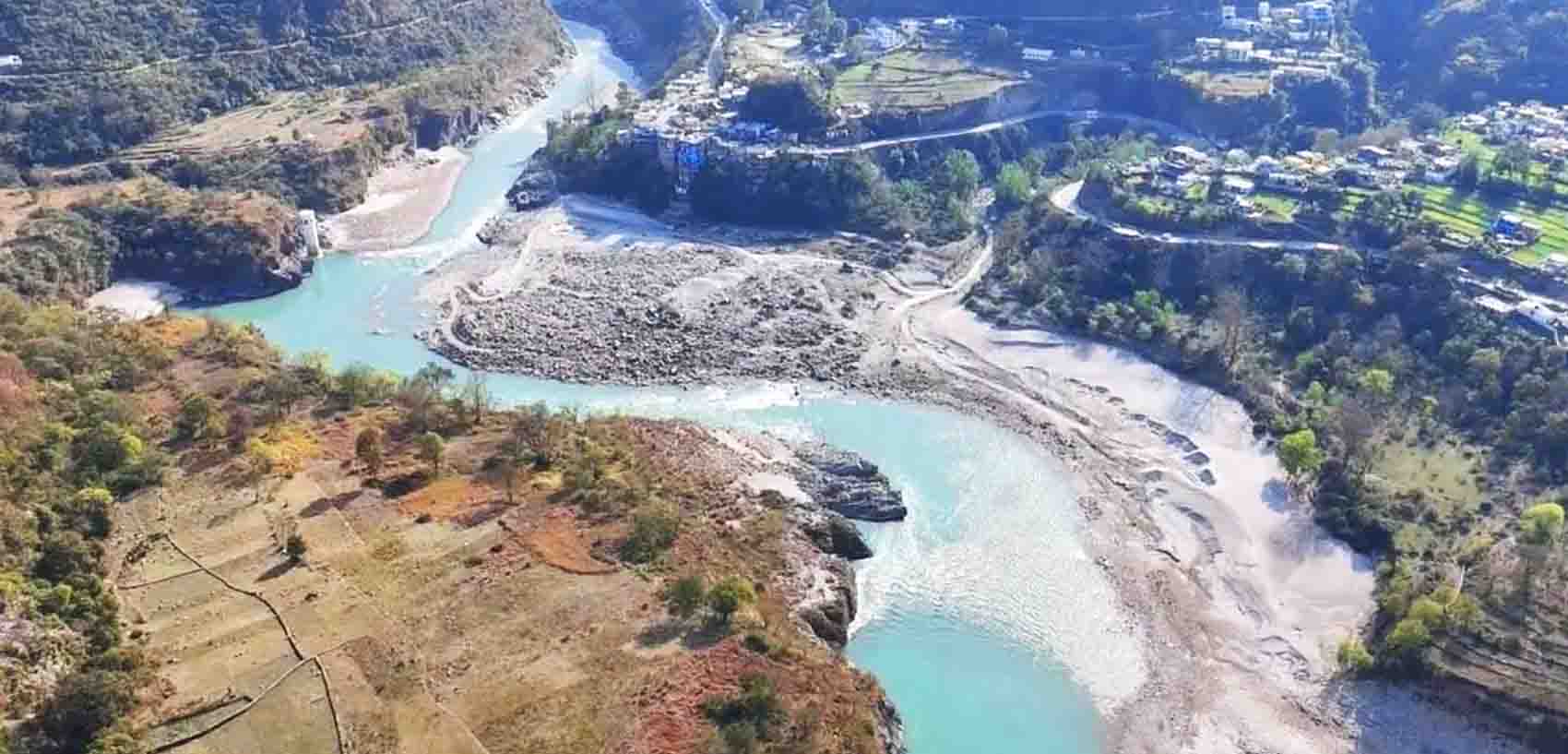
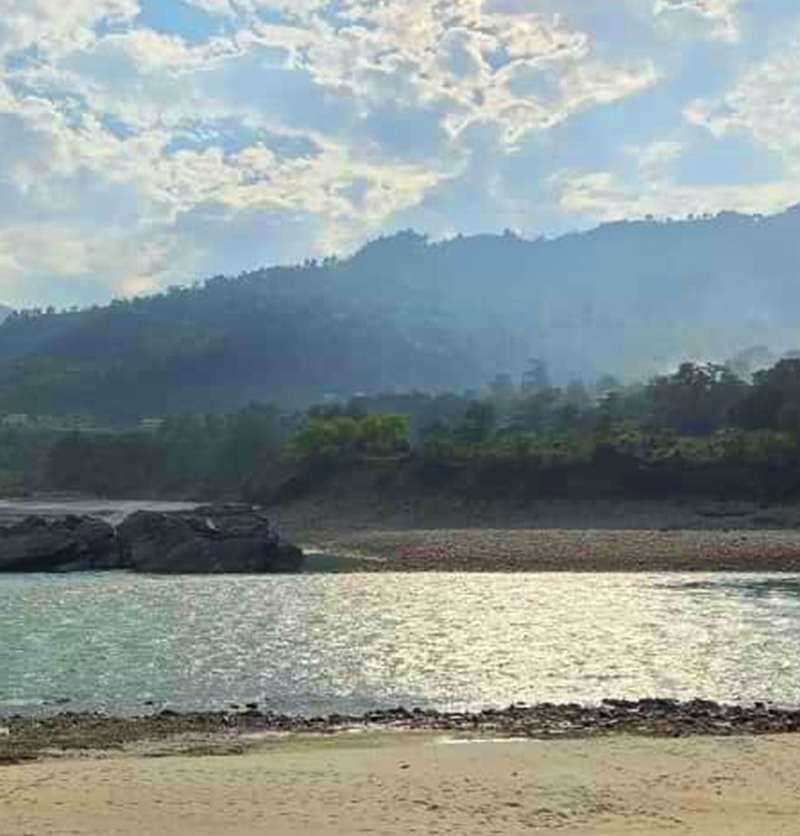
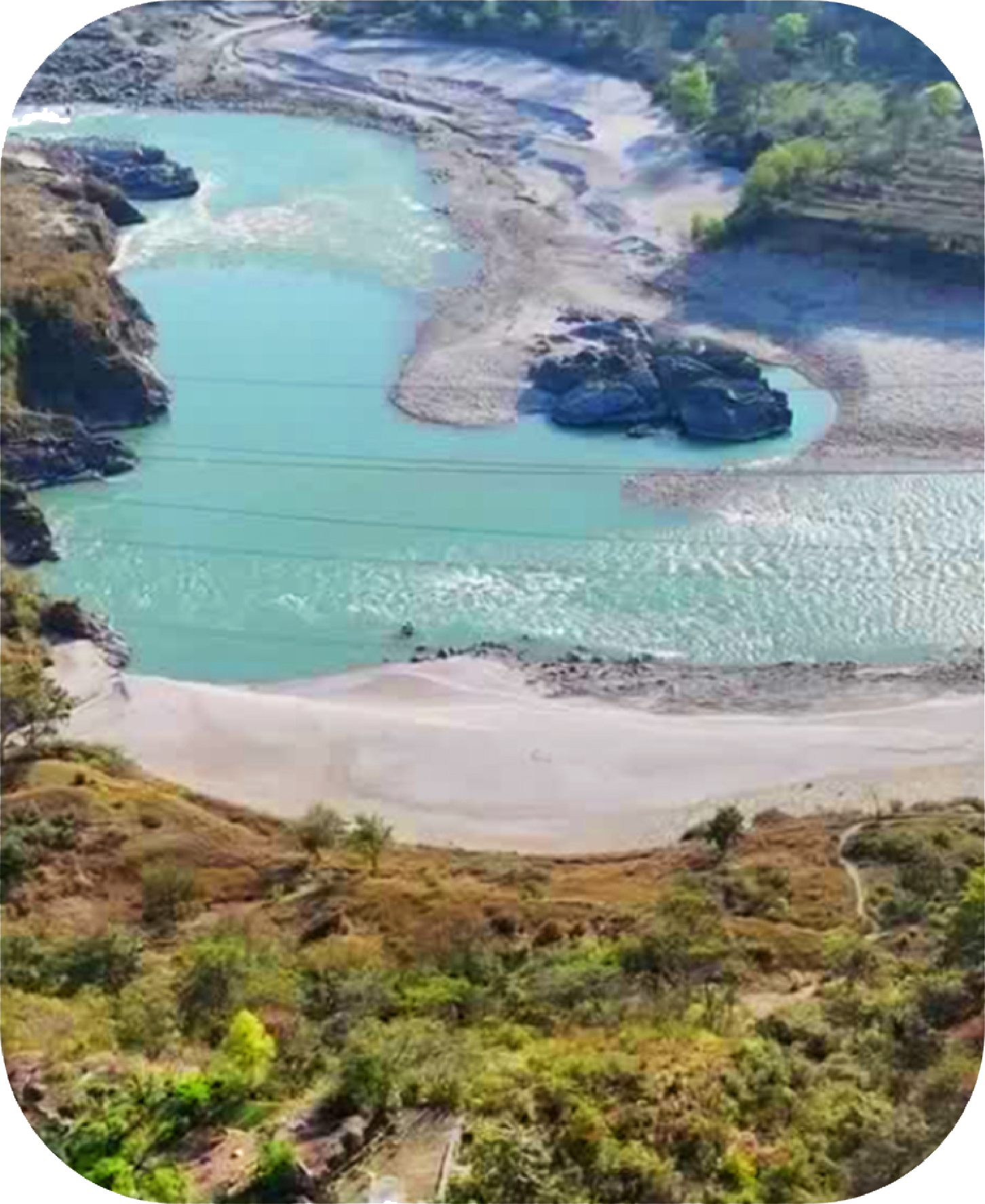
Resort assets, particularly wellness-led, nature-integrated ones, don't work this way. A large contiguous site with direct river frontage, usable topographical variation, and protected forest cover isn't one of many comparable options. In much of the Indian Himalayan belt, sites of this scale and configuration are becoming structurally difficult to assemble. Land fragmentation, multiple ownership records, and ecological zoning restrictions mean the supply of genuinely developable large parcels is shrinking faster than demand for them.
This is the first thing serious capital should be underwriting: not is this a nice plot, but could this plot be reassembled today if it didn't already exist? If the answer is no, that scarcity is doing more for the long-term value of the asset than almost anything that gets built on top of it.
The second underpriced variable is the operating model, specifically whether wellness is delivered as a programme or as an environment. The dominant model in the category is programme-led, built around discrete verticals like detox cycles and structured interventions that guests opt into, which caps revenue by how many guests can move through those interventions at once, demands specialist staffing proportional to occupancy, and caters narrowly to guests willing to commit to a multi-day protocol.
The alternative, increasingly visible in how demand is shifting, is experience-led wellness embedded into the rhythm of the property itself, so the environment does the work a programme calendar would otherwise need to do. That shows up directly in the unit economics, lower staffing intensity per guest, broader appeal across solo travellers, families, and groups, and a product that performs across short, medium, and long stays rather than requiring a minimum commitment to work, making its revenue closer to a function of inventory and pricing power, a fundamentally more scalable shape.
Most resorts still sell escape, the promise of disappearing from life for a few days, but guest demand has quietly shifted toward return: resetting without it feeling clinical, and leaving clearer rather than more anxious. An asset built around return rather than escape extends its addressable market, corporate groups, families, and individuals unwilling to go fully off-grid, each a distinct booking channel with different seasonality, which is a form of built-in diversification most single-purpose resorts don't have.
Devagya, a Himalayan retreat resort currently in development on a contiguous riverfront site along the Alaknanda, is a useful illustration of this thesis in practice, precisely because it's still at the stage where these decisions are being made rather than retrofitted.
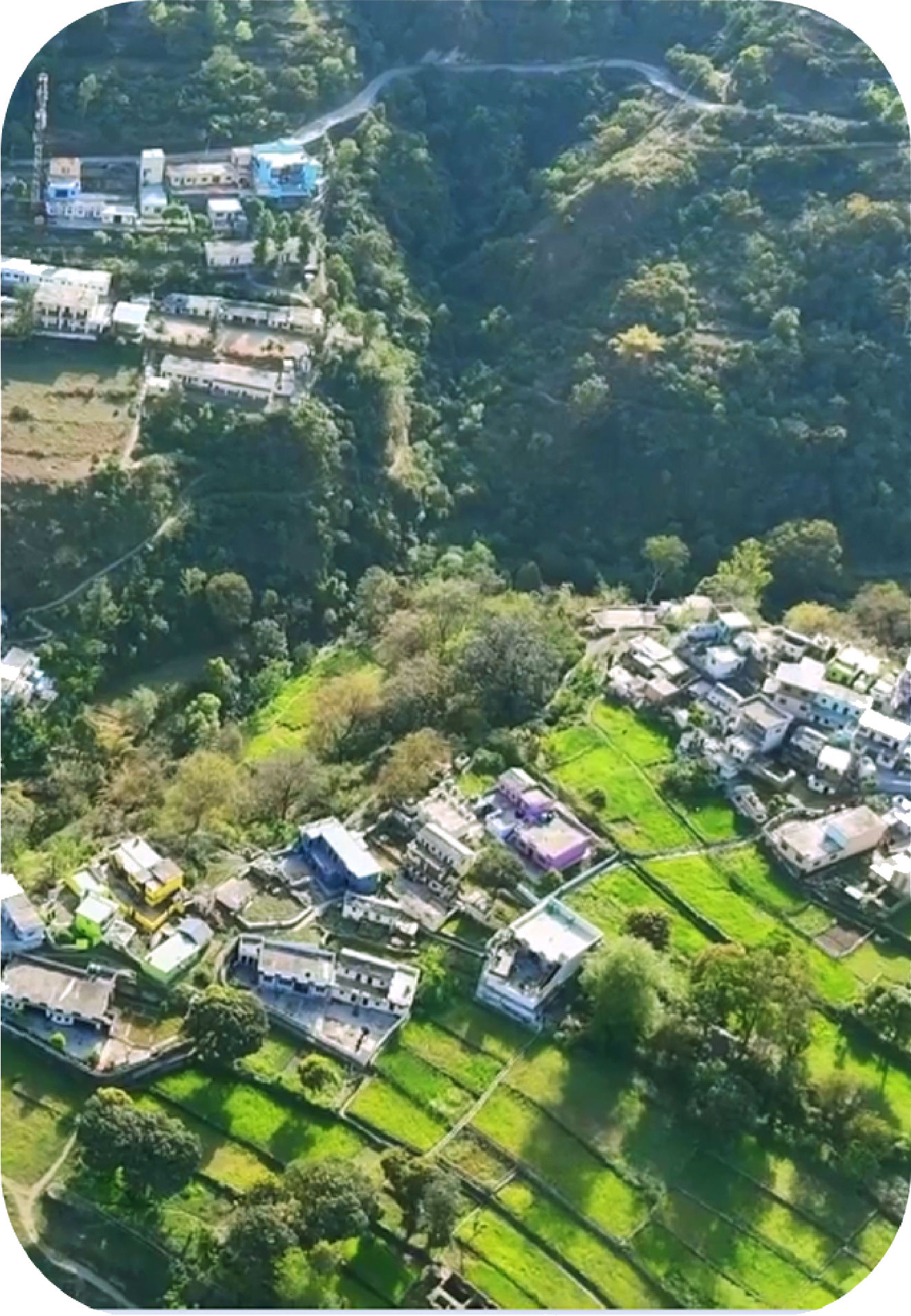
The site itself is the kind of asset described above: a large, contiguous parcel with direct river frontage and natural elevation changes that create distinct, usable zones without requiring high-density construction. The positioning is deliberately built on the experience-led model, wellness as something embedded in daily rhythm rather than scheduled into a programme, and on return rather than escape as the core guest promise.
None of this guarantees outcomes. But it does mean the asset is being underwritten against the variables that actually compound: site scarcity, operating model scalability, and demand-side durability, rather than against comparables that don't capture what makes it different in the first place.
If there's one shift worth making in how capital looks at this category, it's this: stop asking what a resort asset is worth today, based on what's already built, and start asking what the site would be worth if someone tried to recreate it from scratch, and whether the operating model on top of it is built to scale or built to strain.
This matters more right now than it would have two years ago. Global hotel transaction volumes are already up 22% from their 2023 trough, and large-scale deals above $250 million are expected to rise significantly through 2026 as capital that's been sitting on the sidelines starts moving again. If there's one shift worth making in how that capital looks at this category, it's this: stop asking what a resort asset is worth today, based on what's already built, and start asking what the site would be worth if someone tried to recreate it from scratch, and whether the operating model on top of it is built to scale or built to strain
The land doesn't get a second chance to be assembled. The operating model does get a chance to be wrong. Underwriting both, rather than just the visible one, is where the category is currently being mispriced, and where the opportunity sits.


Devagya registered office:
Devagya Sunscape Pvt LTD. 48 Pleasant Valley, Rajpur Rd, Dehradun, Uttarakhand, India
Registered office US office:
Janhvi Enterprise LLC 3831 Marsh, Garnet Valley, PA, US 19060