Luxury travel has long been synonymous with grandeur, soaring marble-clad lobbies, sweeping ballrooms echoing with piano, glittering chandeliers suspended over polished floors, and flawless service delivered with immaculate precision. But the rules are now being rewritten.
Today’s discerning traveller is not seeking more, they are seeking meaning. Experience has replaced excess, authenticity has replaced artifice, and spectacle, without soul, no longer satisfies.
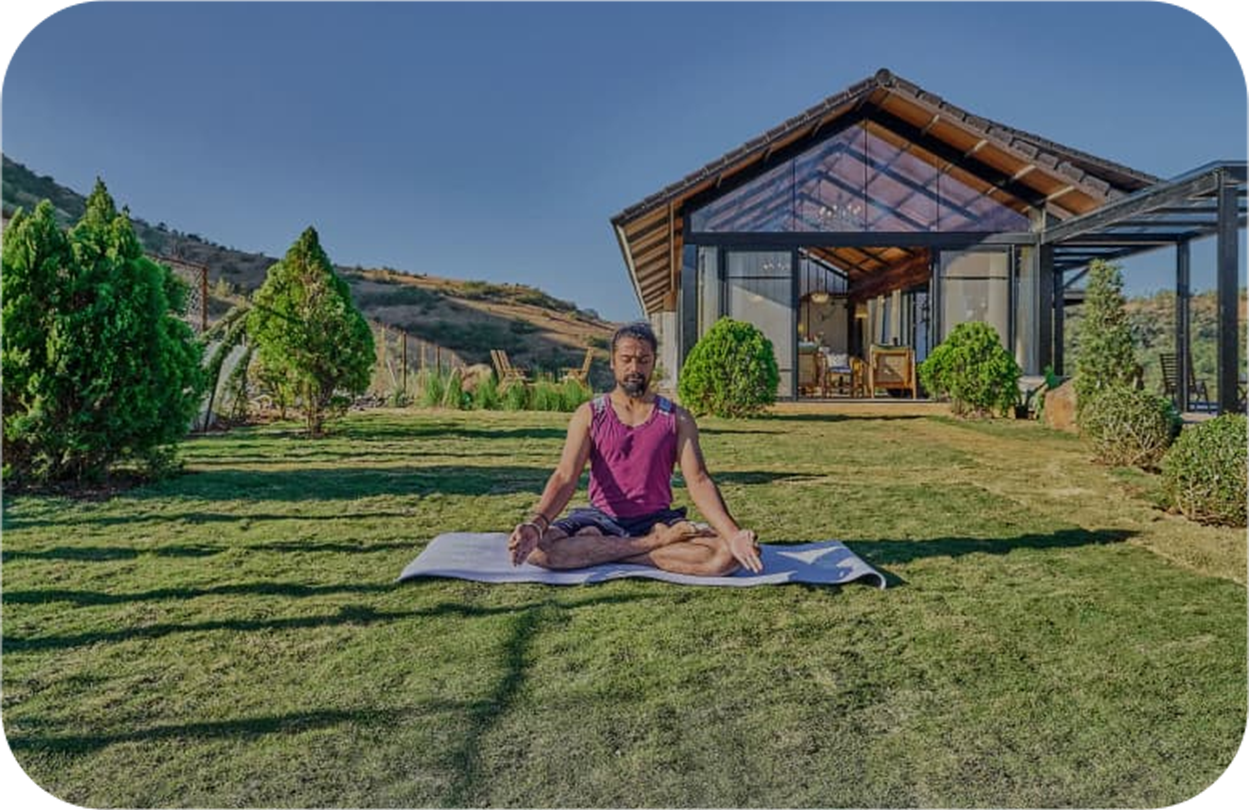
One of the most notable shifts lies in the growing centrality of wellness within the travel experience. Gone are the days when a spa was simply a peripheral amenity, discreetly tucked away at the back of a brochure as a glossy footnote. Today, wellness is no longer an afterthought. Silence, stillness and self-renewal rest at the very centre of the narrative. Destinations don’t simply represent coordinates on a map anymore, they embody a state of being calm, restorative, and deeply healing.
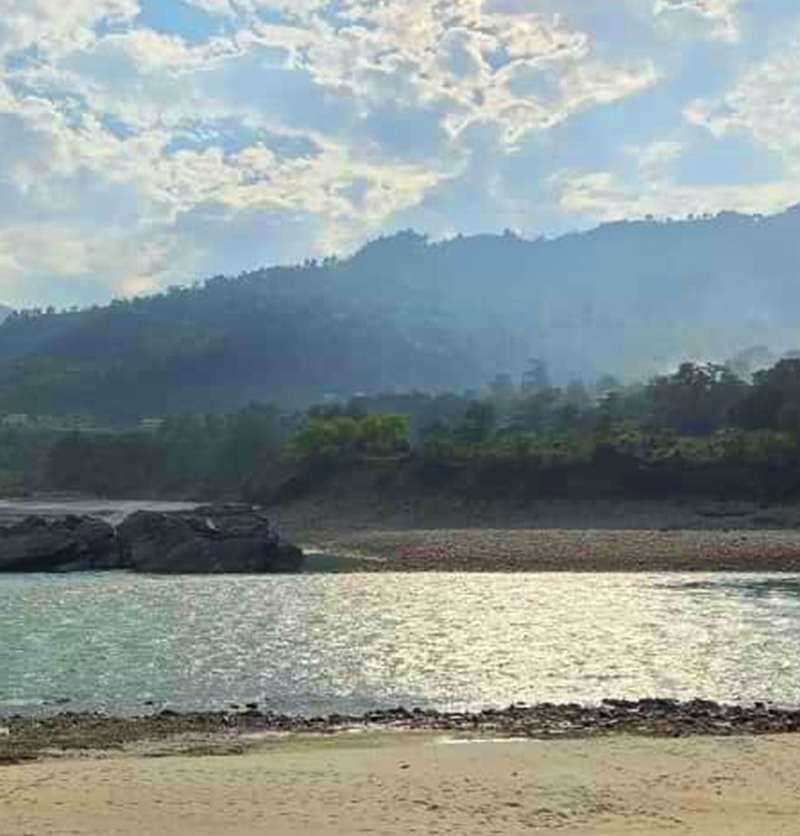
Naturally, luxury travellers are increasingly drawn to destinations that mirror their core values, think yoga-centric immersive retreats along the Ganges in Rishikesh, sleep-supportive suites that gently recalibrate the body’s natural rhythms, and Ayurvedic getaways that let travellers disconnect from their hyper-digital routines.
Alongside this emphasis on personal well-being is a parallel shift toward environmental and cultural stewardship. Travellers now choose destinations that promise to honour them as well as the planet. Eco-conscious design, responsible sourcing, and mindful operations may have been reduced to decorative enhancements earlier but sustainability is the baseline today.
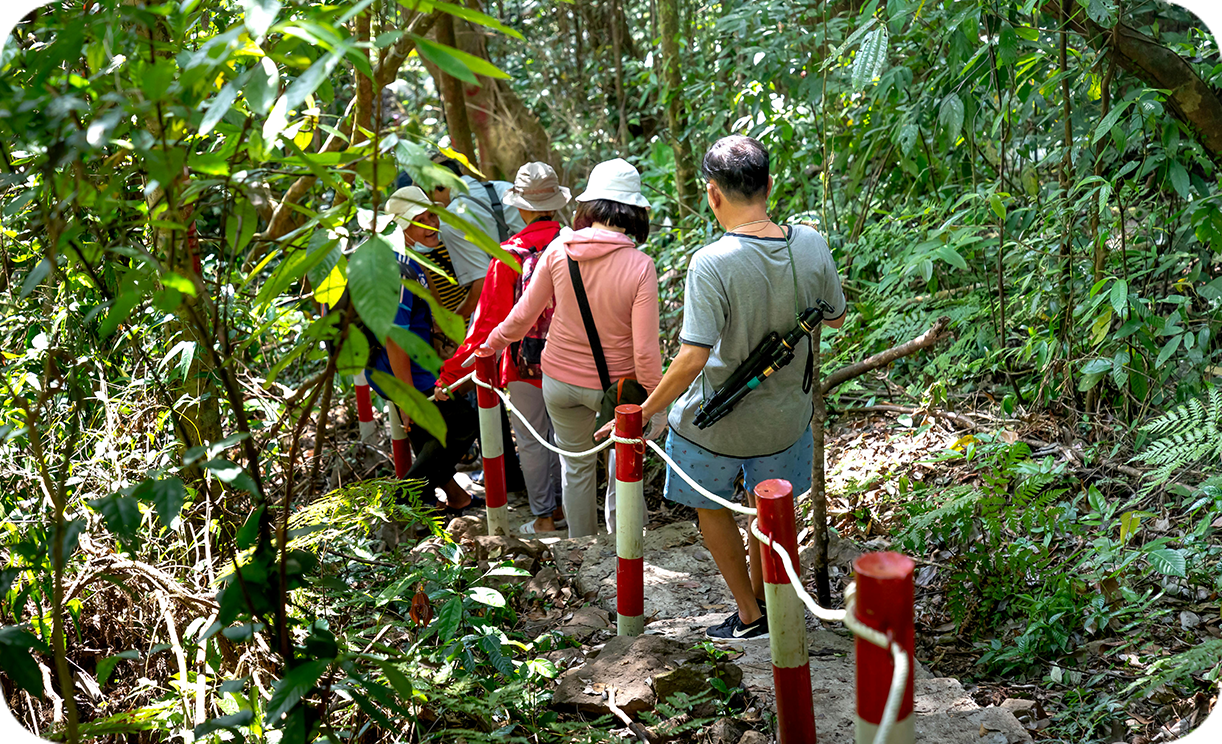
Luxury is no longer defined by opulence or scale; it is measured in care, craft, and intention. From farm-to-table dining that celebrates local biodiversity, guided forest walks rich with storytelling, craft workshops that preserve heritage, and community-driven excursions that support artisans, guests no longer seek to ‘escape’ the world, they want to nurture it. Any place that lets them do so becomes more than a destination, it becomes a safe sanctuary in an otherwise turbulent world.
Perhaps the most subtle, yet significant, transformation in luxury hospitality is the growing preference for discretion over display. In a world saturated with noise, softness has become the most powerful statement of all. Modern luxury is quieter and is driven by a new kind of traveller. The kind that favours private access rather than public display, craftsmanship rather than conspicuousness, stories rather than square footage.
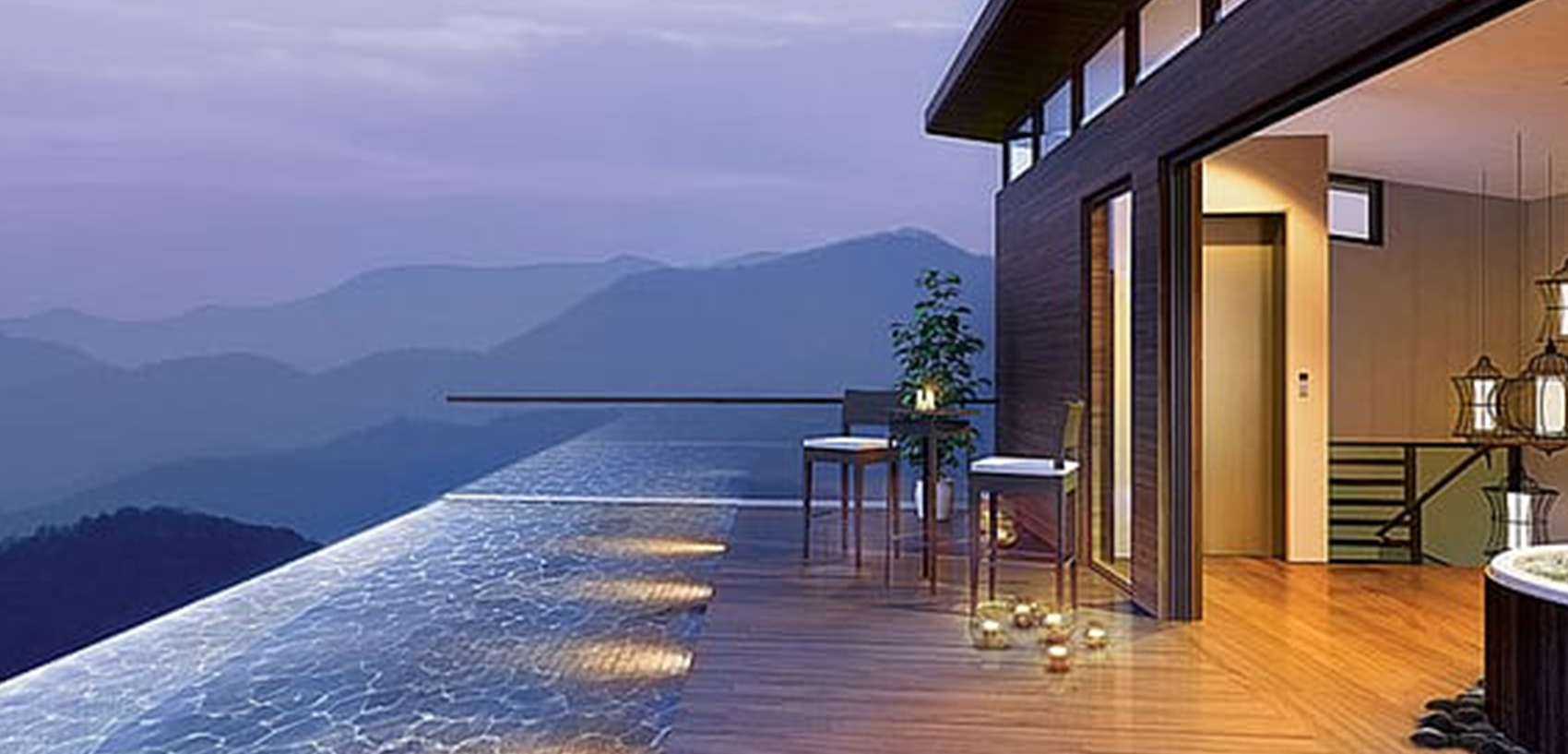
And it is within this quiet shift in luxury that projects like Devagya Sunscape begin to take shape not as a response to trends, but as a reflection of where the world is already headed. Conceived with a deep sensitivity to place, experience, and intention, it aligns with this emerging definition of luxury that prioritises restoration over excess, crafting a destination that feels less like an escape and more like a return to stillness, balance, and self. In many ways, it is an effort to translate these evolving expectations into something tangible and enduring because the future of luxury will ultimately not be defined by what is built, but by how it makes people feel long after they leave.
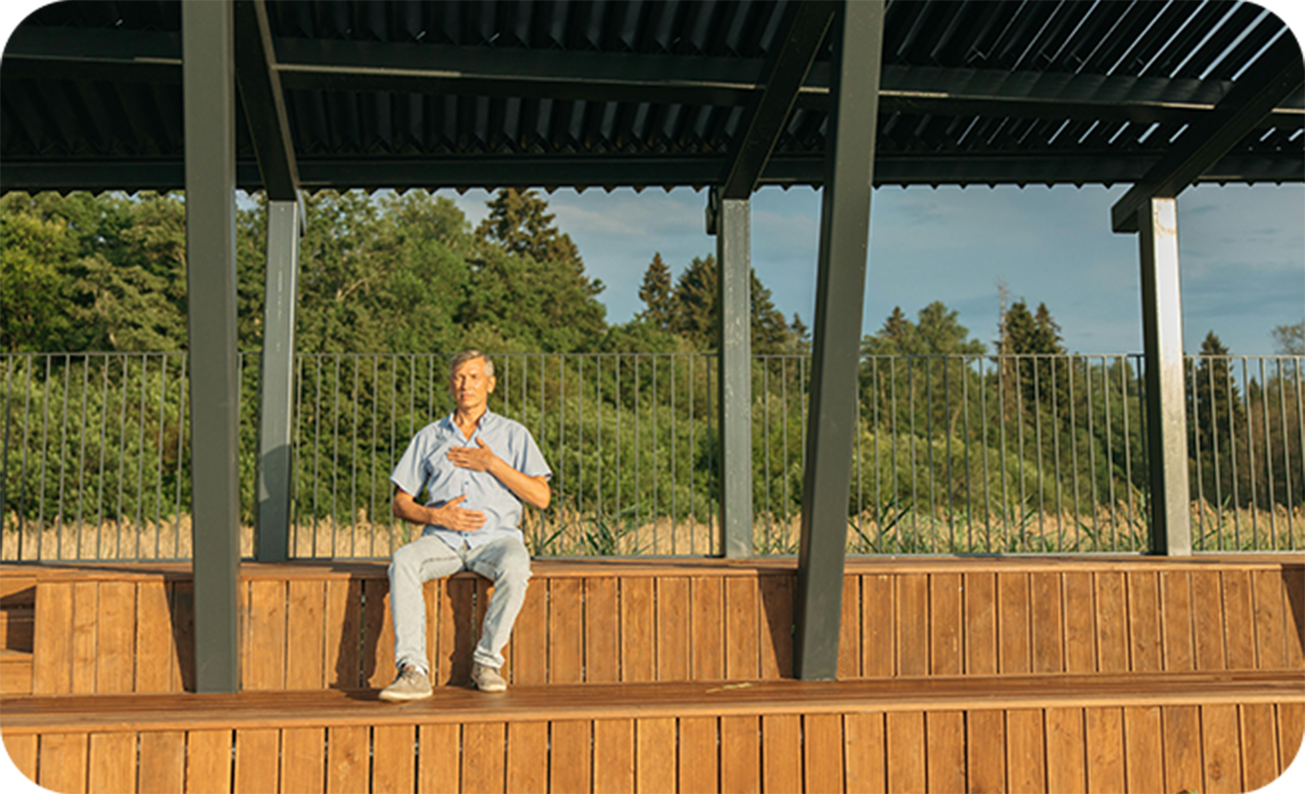
Taken together, these shifts reveal a broader recalibration of what luxury means in the context of modern travel. They reveal a traveller who is no longer captivated by grandeur alone, but by meaning. One who seeks restoration over recognition, connection over consumption, and intention over excess.
Because in the end, the most powerful luxury is not what dazzles in the moment, it is what stays with you long after you have returned home